As the world shifts toward more sustainable living, industries across the globe are seeking cleaner, smarter alternatives to traditional materials. One of the most promising natural solutions? Coconut charcoal — a byproduct of something many of us consume daily. But what makes it so special?
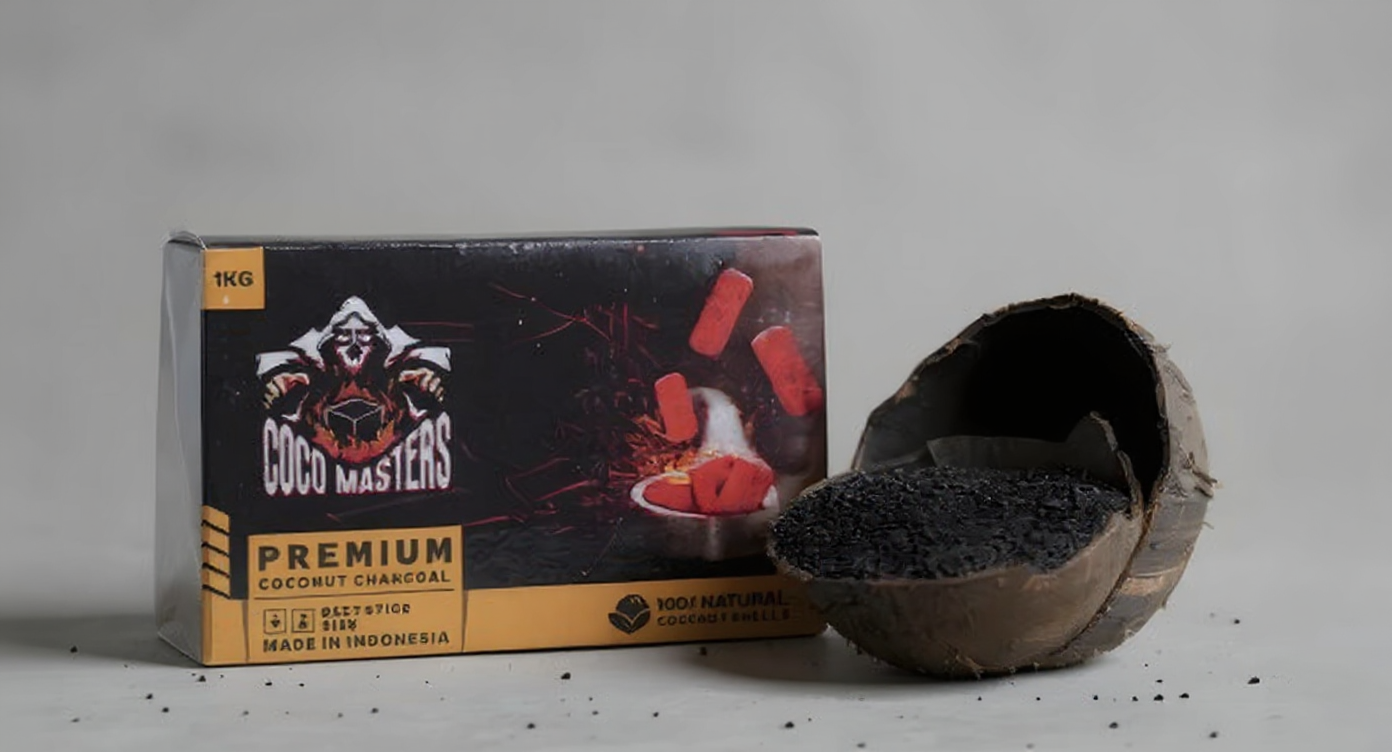
At Coco Masters, we believe the future is coconut-powered. Here’s why coconut charcoal is not only effective — it’s environmentally responsible, renewable, and ready to redefine fuel and function across multiple industries.
What Is Coconut Charcoal?
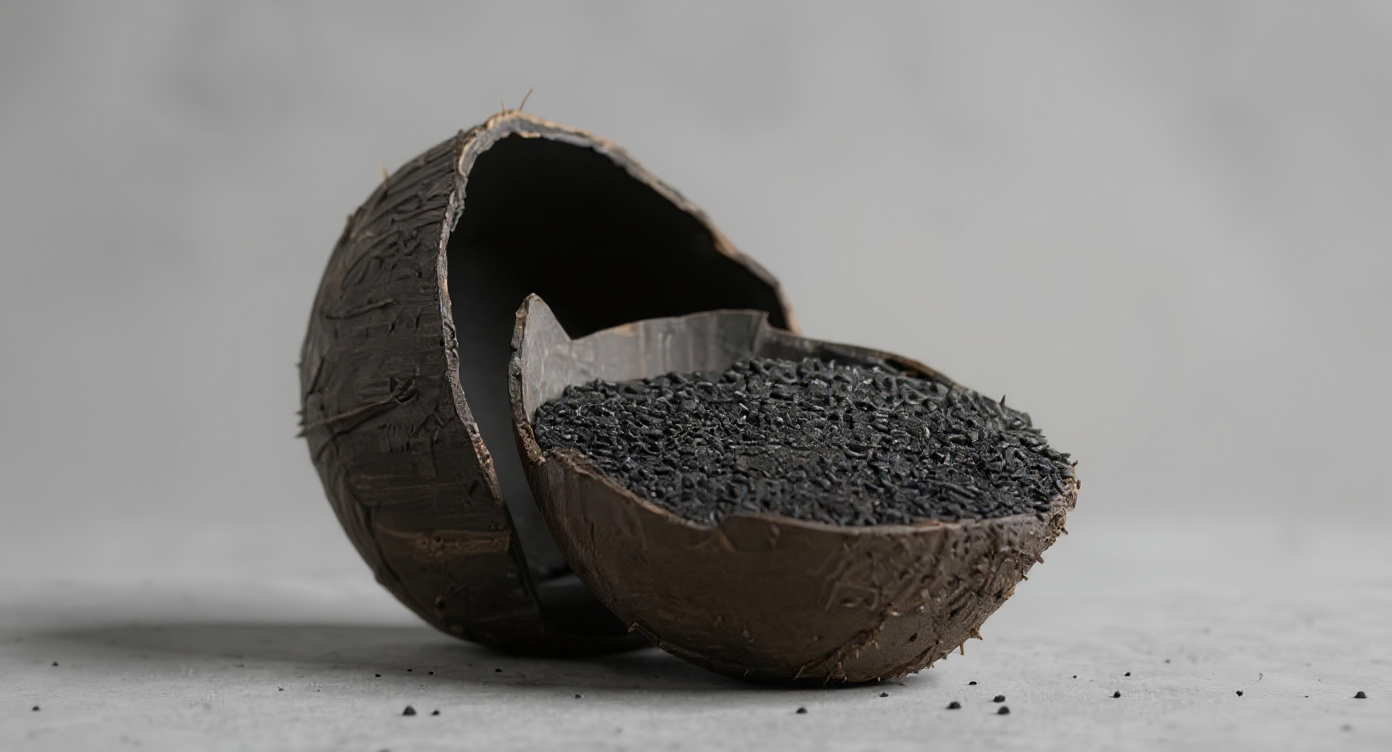
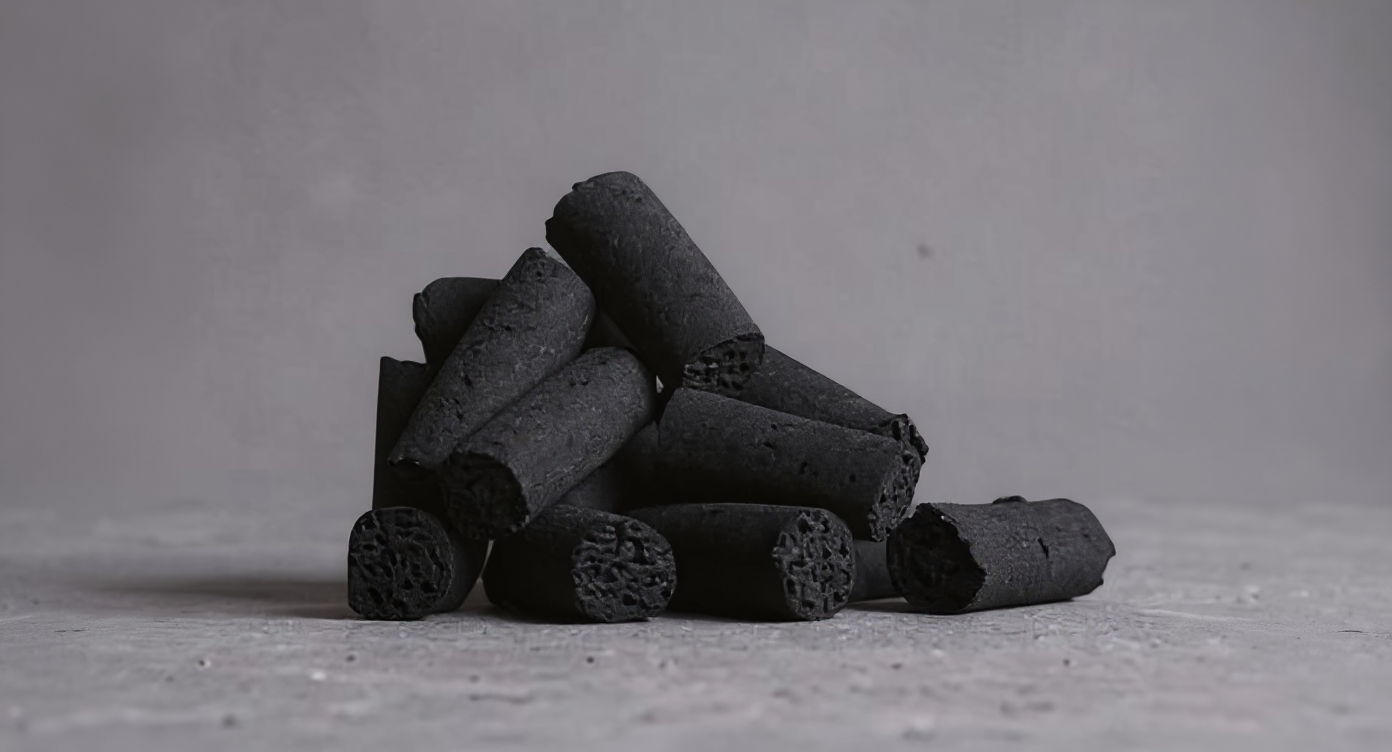
Coconut charcoal is made from the shells of coconuts — a part of the fruit that is often discarded. Instead of letting it go to waste, we transform these shells into high-performing charcoal using a clean, controlled carbonization process. The result? A natural material with incredible absorption, stability, and longevity.
Why Is It Sustainable?
- Made from Agricultural Waste
Unlike wood charcoal, coconut charcoal doesn’t contribute to deforestation. It repurposes coconut shells — an abundant, renewable byproduct — which means less waste, and more value from every harvest. - Lower Environmental Impact
The production of coconut charcoal generates fewer emissions and pollutants compared to traditional charcoal. It is often manufactured in eco-conscious facilities that prioritize clean energy and efficient use of resources. - 100% Biodegradable & Natural
Coconut charcoal contains no chemical additives or synthetic materials. It’s biodegradable, safe to dispose of, and kind to both people and the planet. - Cleaner Use & Reduced Residue
Whether used in air purification, wellness products, or household essentials, coconut charcoal leaves behind minimal residue — making it a cleaner choice across applications.
Beyond Fuel: The Future of Coconut Charcoal
Coconut charcoal is no longer just for cooking or heating. Its unique properties make it ideal for:
Health & Wellness – Detox pills, digestion aids, and more.
Personal Care – Natural toothpaste, deodorants, and skin-cleansing products.
Home Use – Air purifiers, odor absorbers, and eco-cleaning solutions.
Industrial Applications – Filters, packaging, and even cosmetics.
As innovation continues, coconut charcoal is proving it can play a central role in a circular economy — replacing synthetic and harmful materials with something clean, functional, and future-ready.
Coco Masters: Leading the Way in Responsible Charcoal
At Coco Masters, sustainability isn’t a trend — it’s our foundation. We ensure that every product we offer is created with purpose and a deep respect for nature. From sourcing to production to packaging, we maintain strict environmental standards and work only with trusted, ethical partners.
Our vision is simple: to transform coconut charcoal into a global solution — one that’s better for people, and better for the planet.
Conclusion
Coconut charcoal offers more than a sustainable alternative — it offers a path forward. By choosing eco-friendly, renewable materials like coconut charcoal, we take a step toward a cleaner, healthier, and more responsible future.
Stay tuned to our blog for more stories, innovations, and insights into how Coco Masters is shaping a better world — one coconut at a time.